Project Guides
Building an Office Building in Georgia (2026 Guide)
How to plan, budget, and build a new office building in Georgia in 2026, from site selection and zoning to a realistic construction timeline.
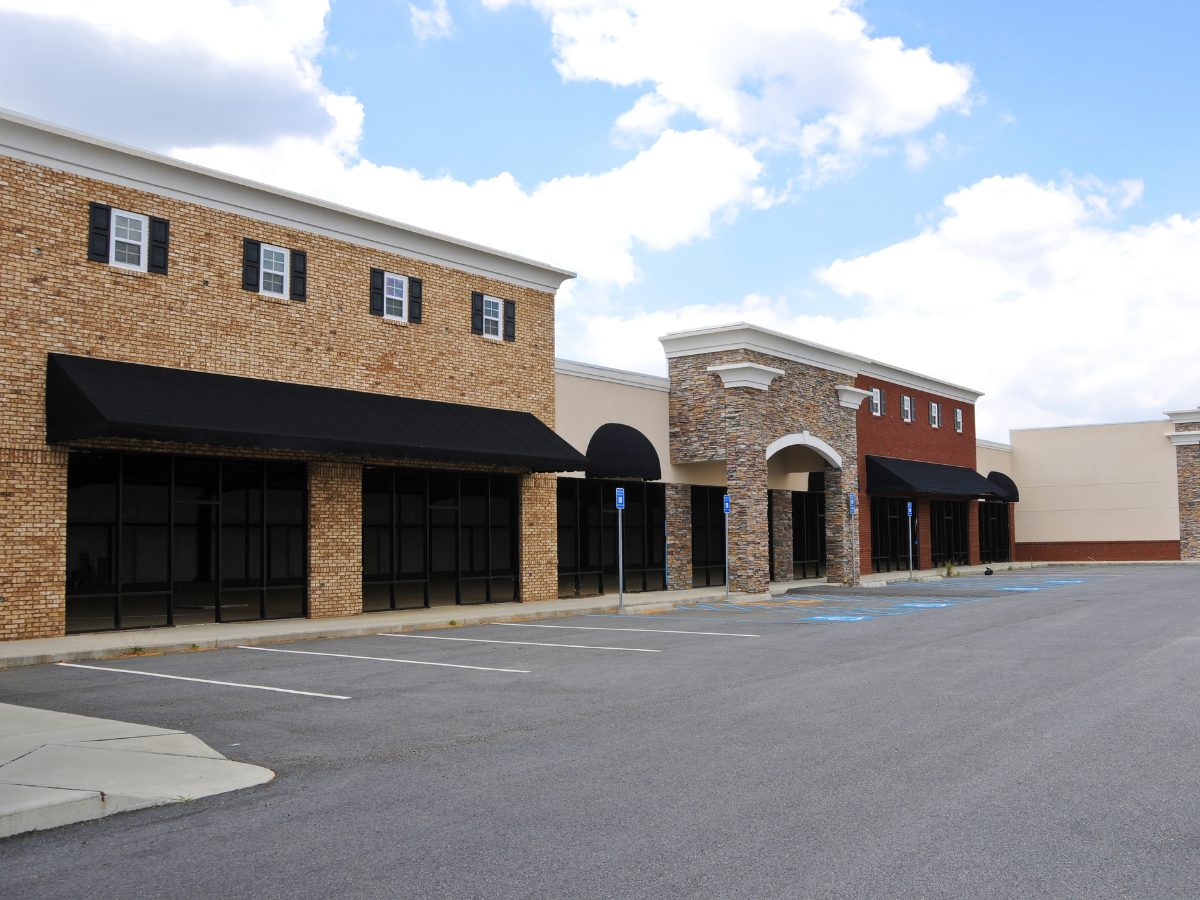
Building an office building is a long game. Land, entitlements, design, permits, and construction can stretch 18 to 30 months before anyone sits at a desk. The owners who finish on budget are the ones who get the early decisions right.
Here is how we walk owners, investors, and developers through a ground up office building project in Georgia in 2026.
Is a new office building the right move?
Before you buy land, pressure test the alternative. A second generation office shell with a tenant improvement can deliver space in 4 to 8 months at $60 to $180 per sq ft. New construction makes sense when you need a specific location, a specific image, long term control of the asset, or a building type the market does not have.
If you have already ruled out leasing and buildout, keep reading.
Step 1: Site selection in Georgia
Site is where most office projects are won or lost. We look at five things before anything else.
Zoning and allowed use
Confirm the parcel is zoned for office use under the local code. In Cherokee County and the City of Canton, office typically falls under OI, NC, GC, or planned development zoning. Forsyth, Cobb, Fulton, and Gwinnett all use different category names. If a rezone is required, add 4 to 9 months and real legal cost.
Buildable area and setbacks
A 2 acre parcel does not mean 2 acres of building pad. Setbacks, buffers, stream buffers, tree save, detention, and parking can take 40 to 60 percent of the site before you draw the building.
Parking ratio
Most Georgia jurisdictions require 3 to 4 parking spaces per 1,000 sq ft of office. That ratio often drives the building footprint more than the program does.
Utilities
Public water, sanitary sewer, and three phase power need to be at the property line or close. Sewer is the usual problem in North Metro Atlanta. A site that needs a private septic system limits the building size and the future buyer pool.
Access and traffic
A GDOT driveway permit, a deceleration lane, or a traffic study can add 3 to 6 months and 50 to 250 thousand dollars depending on the road.
Step 2: Zoning, entitlements, and due diligence
Before closing on land, run a real due diligence period. At a minimum:
- Phase 1 environmental
- Boundary and topographic survey
- Geotechnical report with borings
- Zoning verification letter
- Utility availability letters from the local providers
- Stormwater concept review with the county or city engineer
Skipping any of these is how owners end up holding land they cannot build on.
Step 3: Pre-construction and budgeting
Pre-construction is where the budget actually gets built. A real pre-construction package for an office building includes:
- Conceptual design with floor plates and elevations
- Site plan with parking, detention, and utility routing
- Line item budget by CSI division
- Schedule with permitting and long lead items called out
- Value engineering options before construction documents
2026 budget ranges for a new office building in Georgia
These are ground up numbers for a buildable site with standard commercial finishes.
- Office shell, single story, basic finish: $180 to $260 per sq ft
- Office, single story, mid range finish: $220 to $320 per sq ft
- Office, two to four stories, mid range finish: $260 to $380 per sq ft
- Class A corporate office: $350 to $525 per sq ft
Sitework typically adds $20 to $80 per sq ft on top, depending on slope, rock, and stormwater. Soft costs like design, permits, impact fees, testing, and FF&E usually run 12 to 20 percent of hard cost.
Long lead items to lock in early
In 2026 the items that still drive the schedule are switchgear, rooftop HVAC units, elevators, and structural steel. Order windows on these run 16 to 40 weeks. Get them released before permit issuance whenever possible.
Step 4: Design and permitting
Plan on 4 to 8 months from kickoff to permit for a typical office building, longer if a rezone or a land disturbance permit is needed. The permit path in Georgia usually includes:
- Land disturbance permit (LDP) from the county or city
- Building permit with structural, mechanical, electrical, plumbing review
- Health department review if there is a break room with food service
- Fire marshal review
- GDOT or local DOT driveway permit if applicable
Cherokee County, City of Canton, and City of Woodstock each run a different review timeline. Build that into the schedule rather than hoping for the fast lane.
Step 5: Construction and a realistic 2026 timeline
For a 20,000 to 60,000 sq ft office building in North Metro Atlanta, plan on this rough order of magnitude in 2026.
- Land closing to permit issued: 6 to 12 months
- Sitework, utilities, building pad: 2 to 4 months
- Foundations and structure: 2 to 5 months
- Dry in, MEP rough in, exterior skin: 3 to 5 months
- Interior finishes, commissioning, punch: 3 to 4 months
- Certificate of occupancy and move in: 1 month
Total construction is usually 10 to 16 months once the permit is in hand. Add the land and entitlement period and the full project window is often 18 to 30 months.
Common mistakes on new office projects
- Buying land before confirming sewer and zoning
- Designing to a square footage without a parking count check
- Skipping pre-construction and going straight to a hard bid
- Releasing long lead equipment too late
- Picking a contractor on price without checking office experience in Georgia
Why owners hire Nobo for office projects
Nobo Construction Group is a family owned commercial general contractor in Canton, Georgia. We work with owners, investors, and developers on ground up office, flex, and mixed use projects across Cherokee County and North Metro Atlanta. Licensed and insured, real budgets, real schedules.
If you are evaluating a site or a building, talk to us early. We respond within 24 hours.